


Bensa, Sidama, Ethiopia
ABOUT
Testi Specialty Coffee
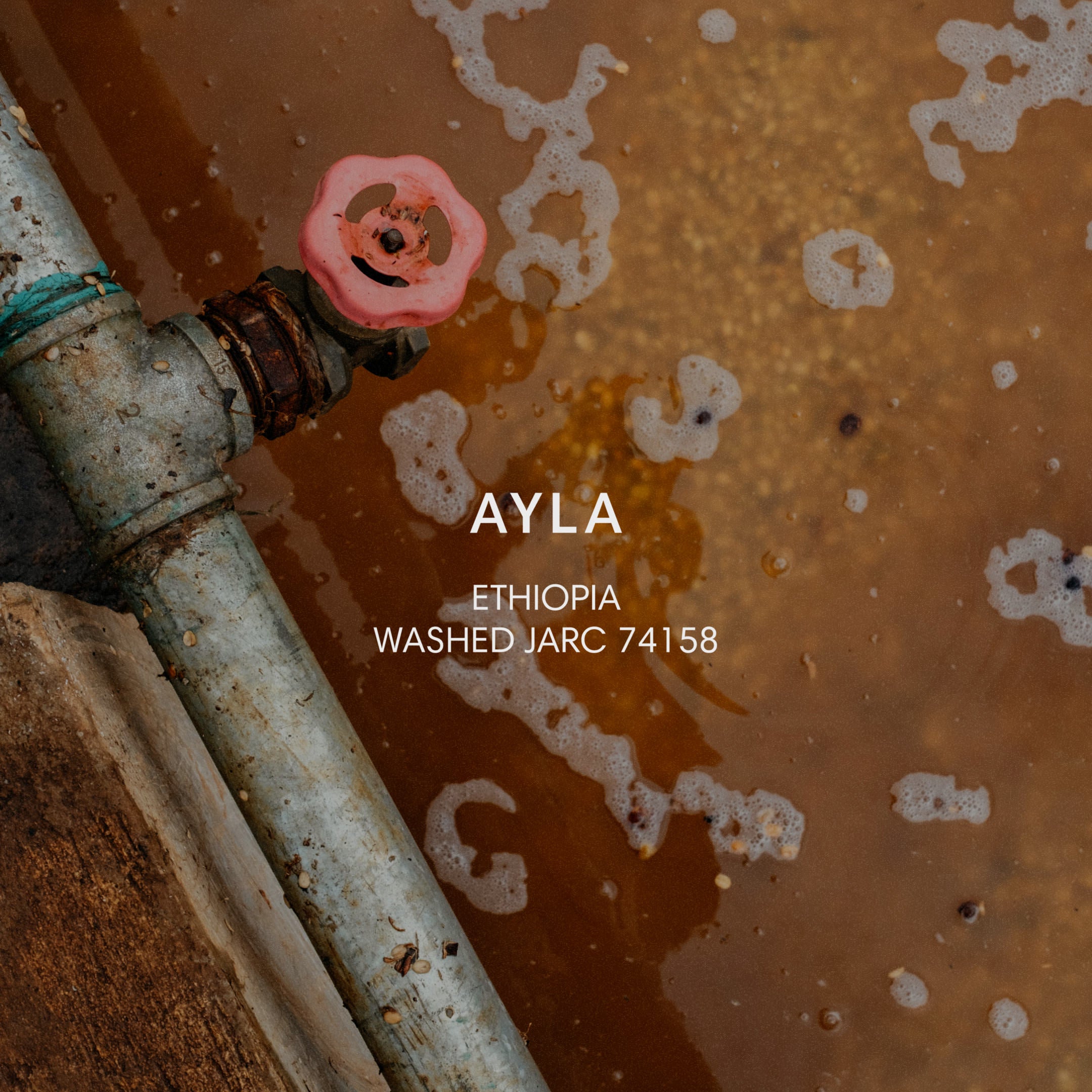
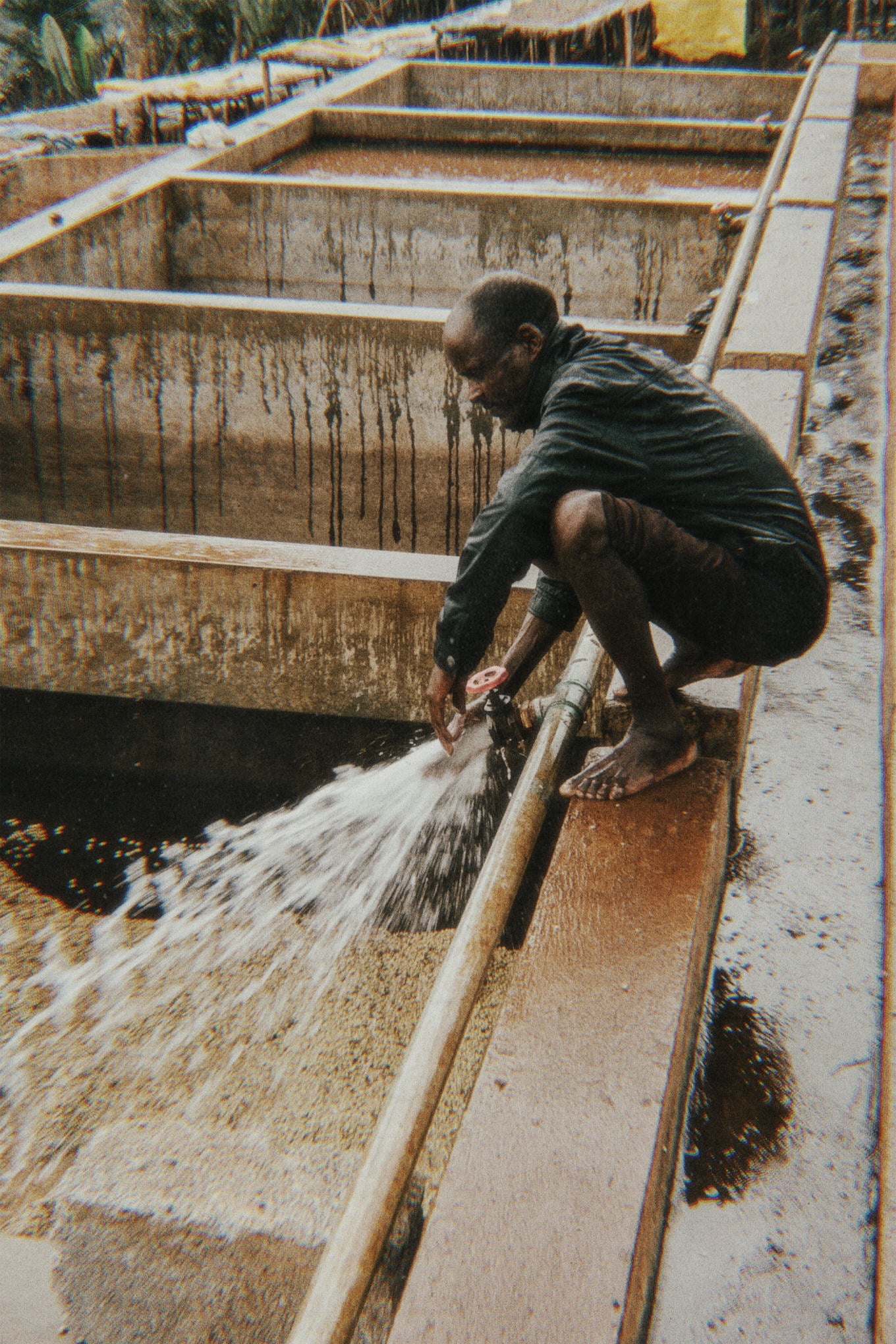
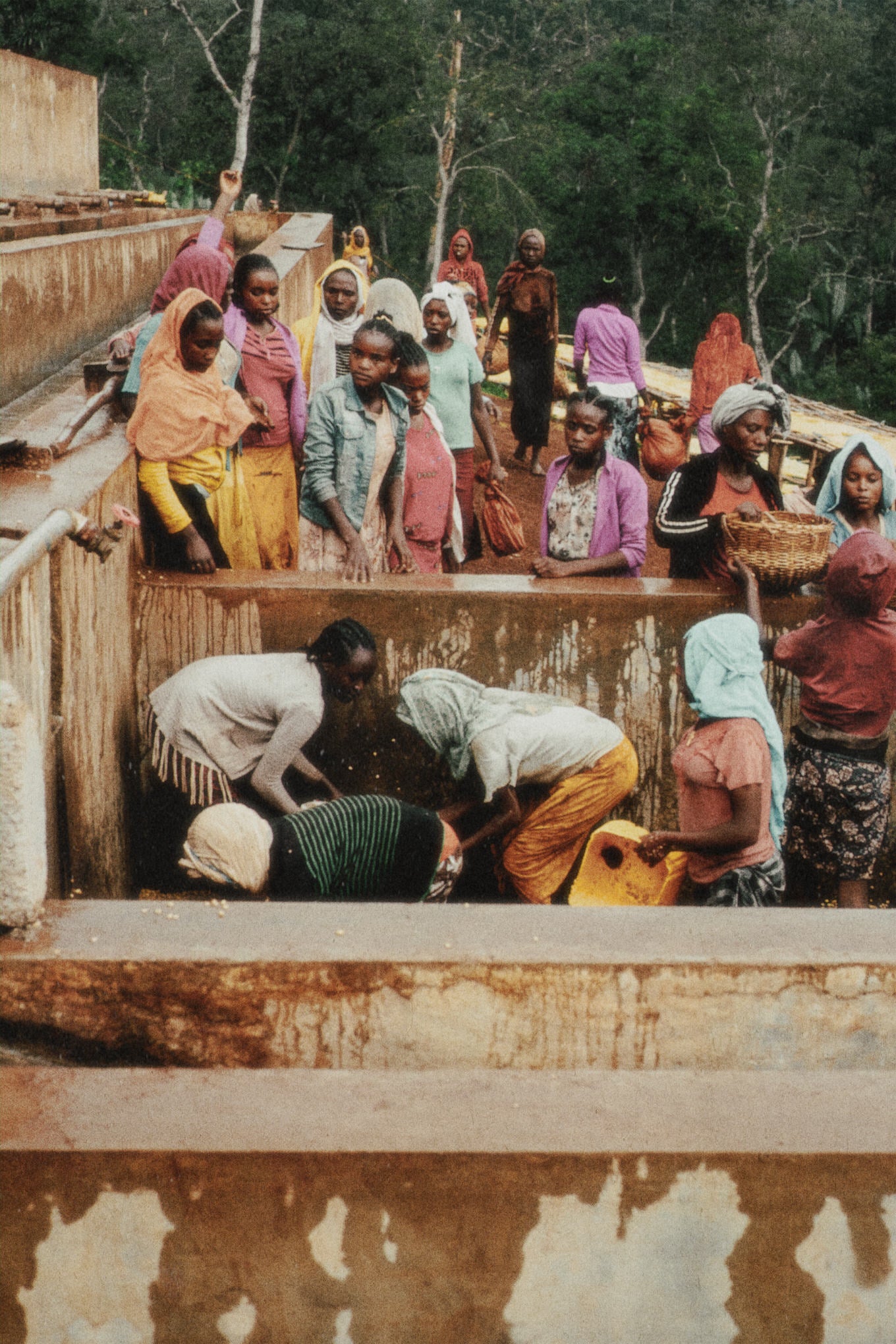
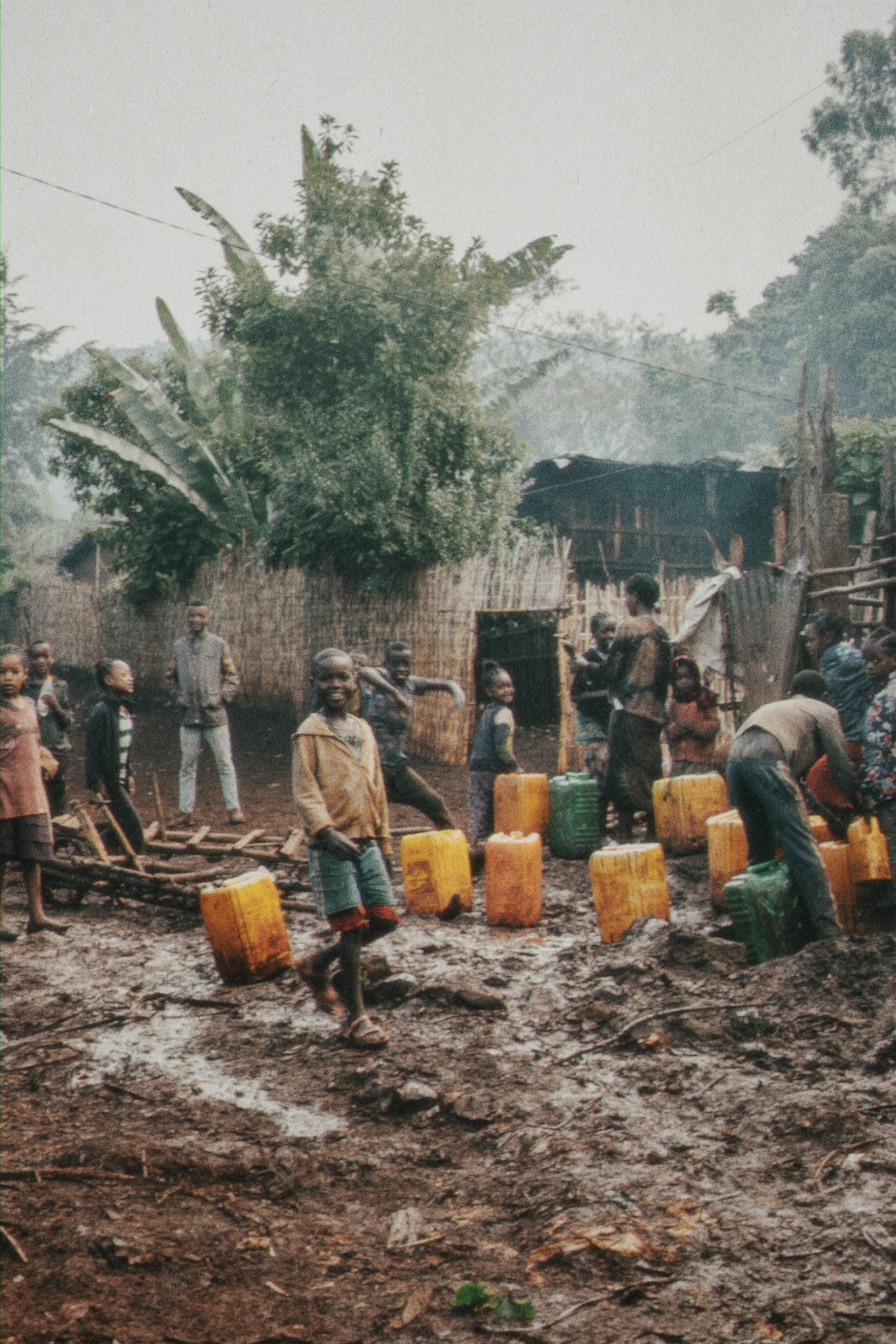
Testi Specialty Coffee runs the Ayla washing station in Bensa, in the Sidama region of Ethiopia, which Faysel Abdosh established in 2018 and named after his niece. Around 800 smallholder farmers deliver ripe cherry to the station from gardens sitting between roughly 1,950 and 2,000 metres, where the high elevation slows ripening and concentrates sweetness. In a few short years the station has become known for clean, floral, high grown Sidama lots, the result of careful cherry intake, controlled fermentation, and patient drying on raised beds.
JARC 74158
74158 is one of the improved varieties developed by the Jimma Agricultural Research Center in Ethiopia, released to give farmers a plant that could shrug off coffee berry disease while still cupping beautifully. The number itself tells the story, as the 74 marks the year it was catalogued, back in 1974. Up in the highlands of Sidama it is often grown and sold under the local landrace name Kurume, tended in the traditional garden system alongside food crops. Growers value it for being dependable in the field and expressive in the cup, giving clean, floral coffees with citrus and sweet berry in both washed and natural styles.
Washed
The washed process is the cleanest and most precise way to prepare coffee, and the one that lets a single origin and variety speak most clearly. Every trace of fruit and sticky mucilage is stripped away before the bean is dried, usually by fermenting it loose in tanks and rinsing it off with water, or by scrubbing it away mechanically. Because no fruit is left touching the bean as it dries, nothing masks the raw character of the coffee itself. That is why the washed method is trusted for the finest lots, showing off clarity, bright lively acidity, and the clear stamp of where the coffee was grown.
Brewing recipes
Simple ways to brew with SOLO & SOLO SPIN

SOLO
This is the classic pour-over style.
You control the brew through your pouring technique, water temperature, and flow speed.
Each pour helps guide the extraction, from soaking the coffee evenly at the beginning to building sweetness in the middle and finishing clean at the end.
This method is best when you want a clean, balanced cup with direct control over the pour.
Best for a clean, balanced cup with direct control over the pour.
SOLO SPIN
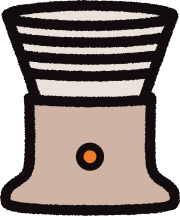
This is a hybrid brewing style.
SOLO SPIN uses a valve to control when the coffee is soaking and when it is draining.
When the valve is closed, the coffee stays in contact with the water, like immersion brewing.When the valve is open, the water flows through the coffee, like percolation brewing.
This method gives you more control over contact time, sweetness, body, and clarity.It is best when you want a consistent, balanced cup with both the roundness of immersion and the clean finish of pour-over.
Best for a consistent, balanced cup — the roundness of immersion with the clean finish of pour-over.
SOLO
SOLO POUR OVER METHOD
A simple, clean, repeatable pour over. Coffee extracts in stages, so each pour has a job.
- First pourHelps water reach all the coffee evenly.
- Middle poursBuild sweetness, body, and balance.
- Final pourKeep it gentle to avoid bitterness, dryness, and heavy flavors.
The goal is not to push extraction harder. It is to keep the cup sweet, clean, and structured.
3 POUR EXTRACTION
Best for a clean, sweet, and balanced cup.
- 0:00Pour 80 g93°CWet all the grounds evenly. No dry spots.
- 0:40Pour 80 g93°CBuilds sweetness and balance.
- 1:20Pour 80 g85°CPour gently and let the brew finish naturally.
4 POUR EXTRACTION
Best when you want more body and structure.
- 0:00Pour 60 g93°CFully soak all the coffee.
- 0:30Pour 60 g93°CHelps build sweetness.
- 1:00Pour 60 g93°CDevelops body and structure.
- 1:30Pour 60 g85°CKeep this pour gentle and centered.
8G DOSE EXTRACTION
For rare, expensive, or limited coffees. A smaller cup, same idea.
- 0:00Pour 40 g93°C
- 0:40Pour 40 g93°C
- 1:20Pour 40 g85°C
- 0:00Pour 30 g93°C
- 0:30Pour 30 g93°C
- 1:00Pour 30 g93°C
- 1:30Pour 30 g85°C
SOLO SPIN
SOLO SPIN BREW METHOD
SOLO SPIN gives you more control, combining immersion and percolation in one brewer.
- Valve closedThe coffee is soaking. Immersion helps water reach the coffee evenly.
- Valve openThe coffee is draining. Percolation keeps the cup clean and clear.
The result is a sweet, balanced, and consistent brew.
TWO PHASE MOISTURE EXTRACTION
Jackie's competition recipe. Simple, consistent, and forgiving. Two identical phases — penetration, then development.
- 0:00Close valve · 100 ml94°CSoak so water reaches every particle.
- 1:00Open valveLet it fully drain.
- 1:20Close valveClose between 1:20–1:25, then start Phase 2.
- 0:00Close valve · 100 ml80°CSoak again. Builds sweetness, texture, and clarity.
- 1:00Open valveLet it fully drain.
- 1:20Close valveClose between 1:20–1:25. Done.
The most forgiving SOLO SPIN recipe — perfect for daily brewing.
PIP EXTRACTION
Percolation · Immersion · Percolation. A clean, sweet, expressive cup.
- 0:00Valve open · 50 ml80°CFirst percolation opens the coffee for aroma and clarity.
- 0:30Close valve · 100 ml94°CImmersion. Builds sweetness, body, and balance.
- 1:00Open valveLet it begin to drain.
- 1:30Add 50 ml80°CFinal percolation. Drain fully for a clean finish.