
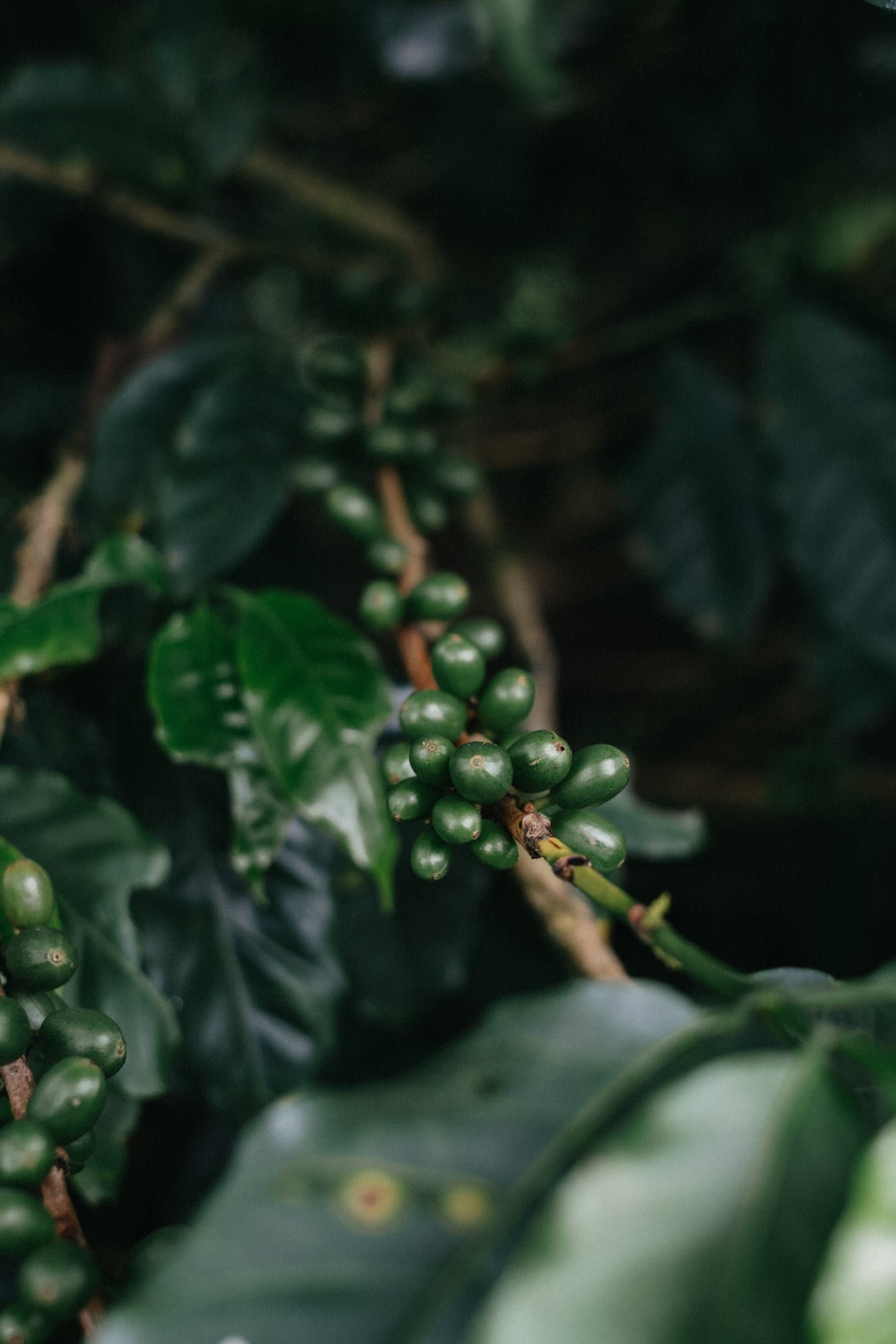
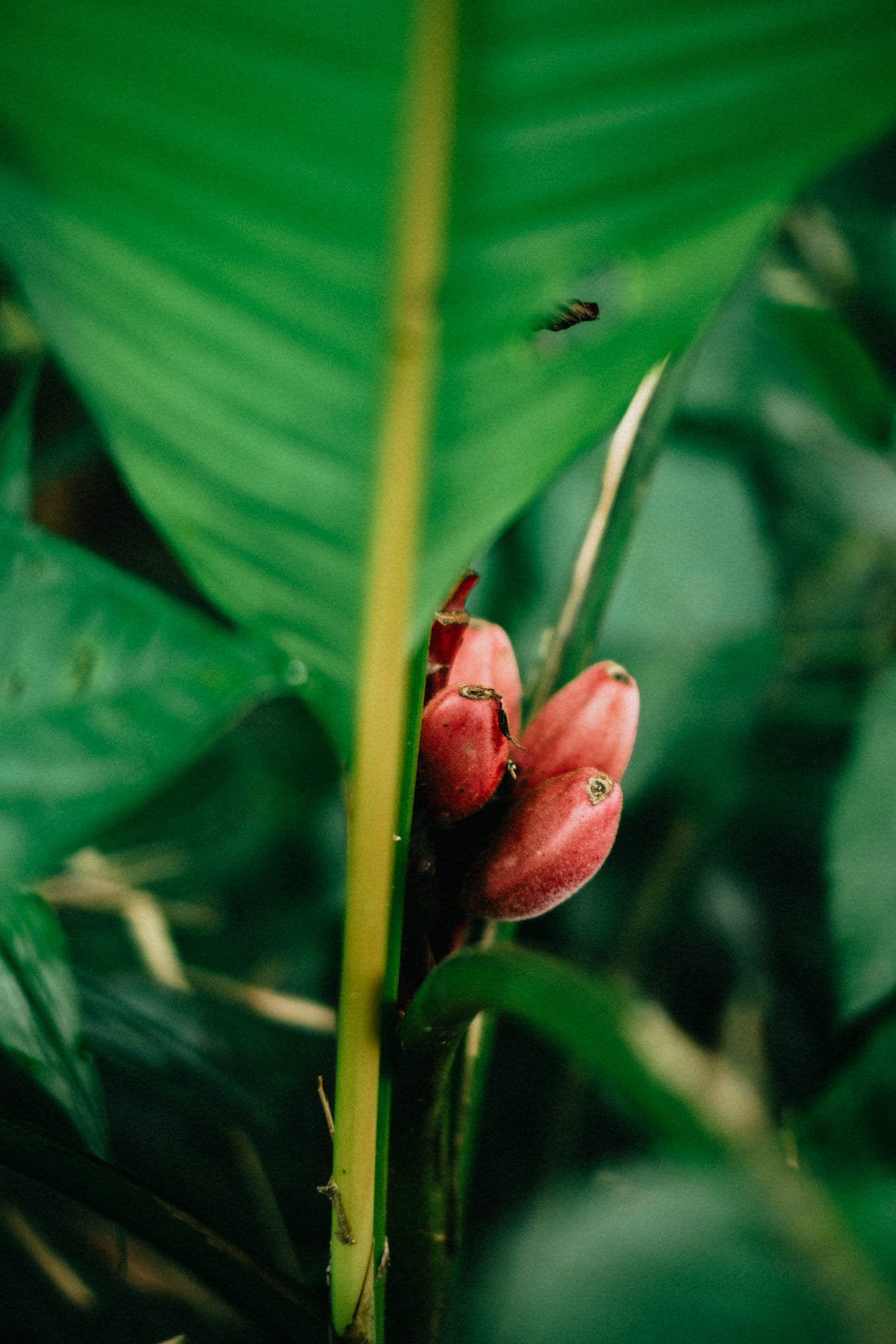
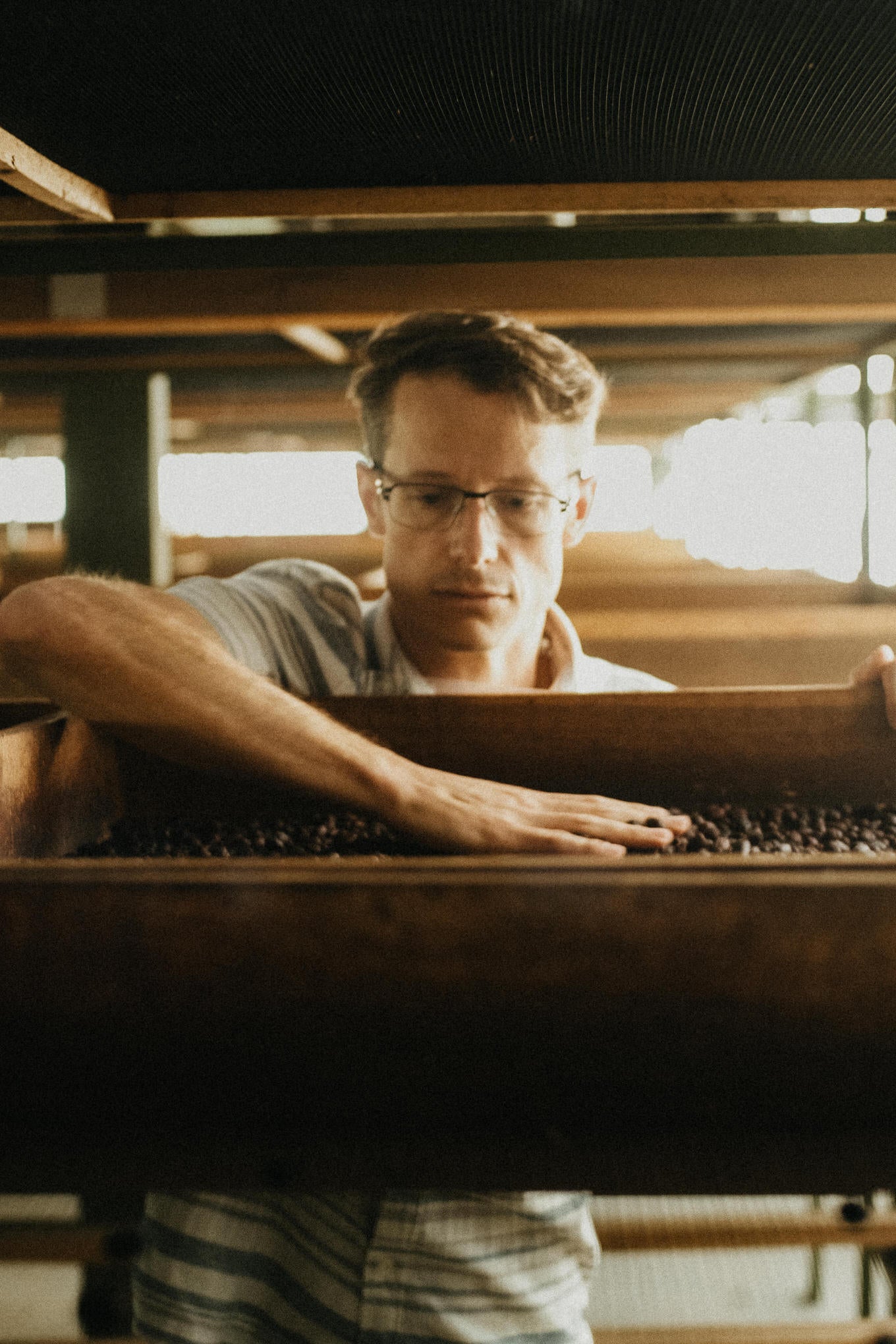
Marsella, Risaralda, Colombia
ABOUT
Finca Mikava
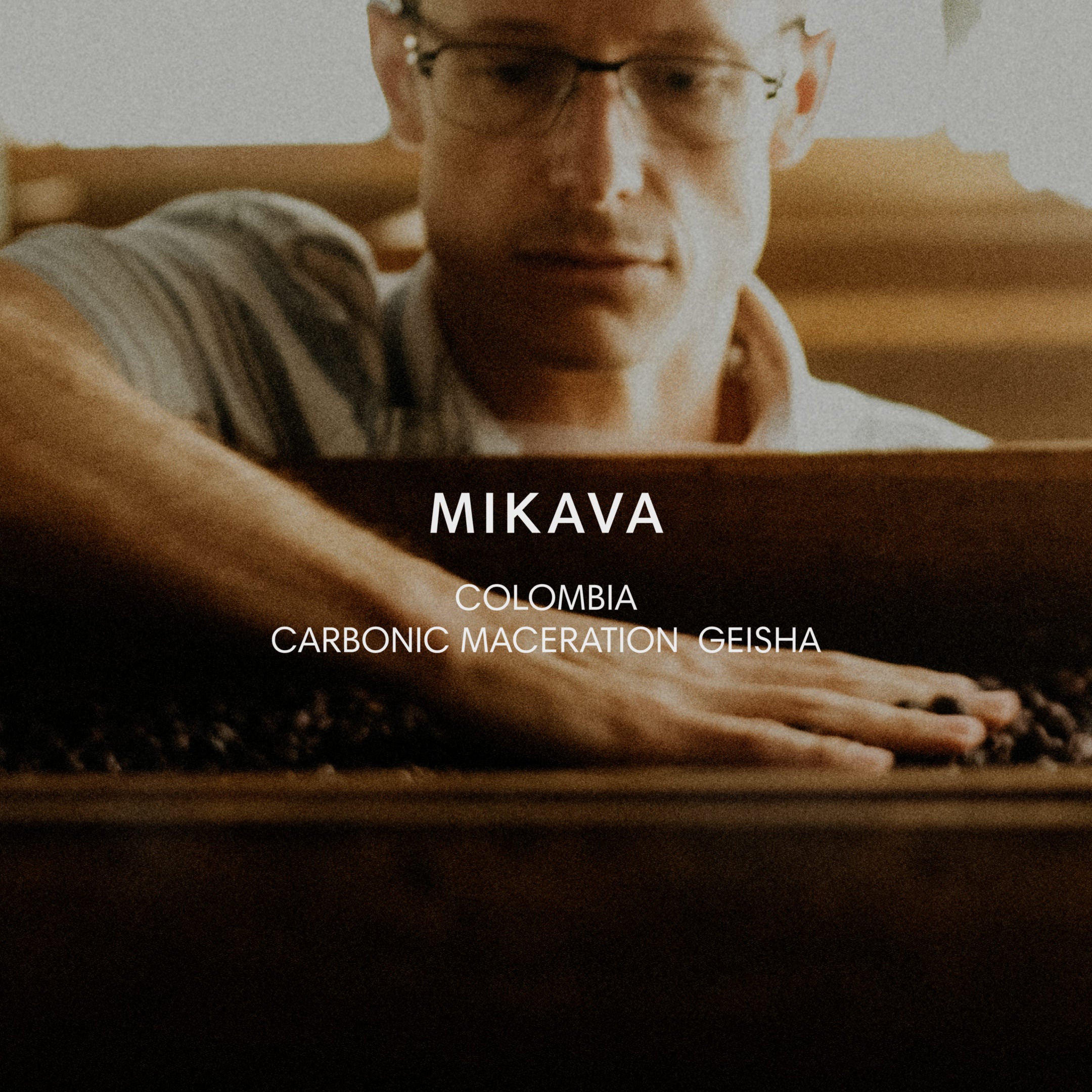
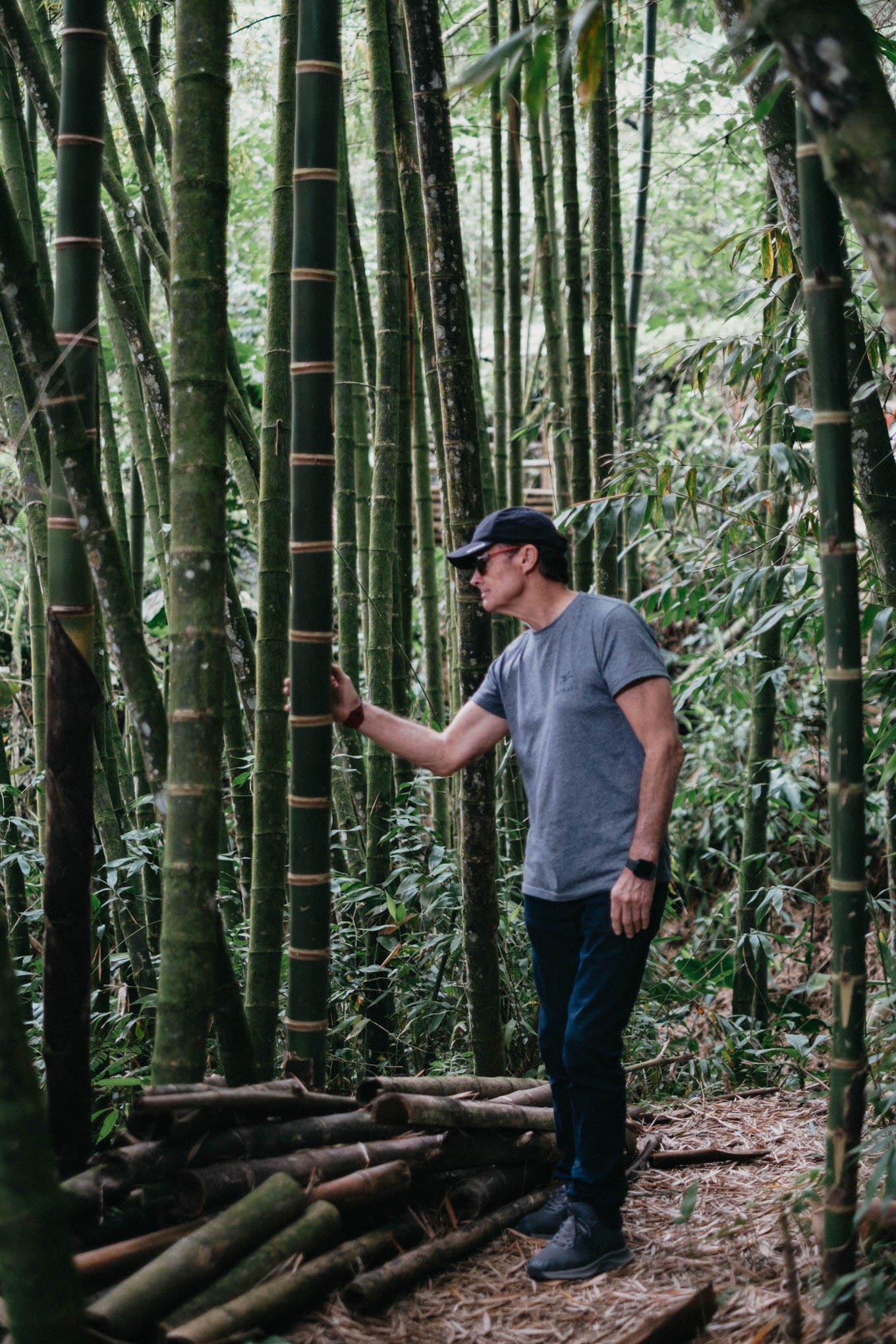
Finca Mikava is a farm in Risaralda, in the heart of Colombia's coffee country, built around precision and experimentation rather than volume. The family behind it works small, carefully managed lots and grows rare varieties like Gesha, controlling every stage from picking through fermentation to drying. That hands on, quality first way of farming is what gives its Gesha such a bright, almost candy like fruit character, and it has quietly earned the farm a strong following among people who seek out the finest Colombian coffees.
Geisha
Geisha, also spelled Gesha, traces its roots to the forests of southwestern Ethiopia, where the original seed was collected in the middle of the twentieth century before travelling through research collections in Central America. For decades it was little more than a curiosity, until growers working at high altitude discovered how extraordinary it could taste. At its best it is unmistakable, with intense florality, a delicate tea like quality, bright citrus, and tropical fruit. The plants are slender and shy to yield and offer little disease resistance, so Geisha is demanding to grow and slow to crop, which is exactly why truly great examples stay rare and so highly prized.
Carbonic maceration
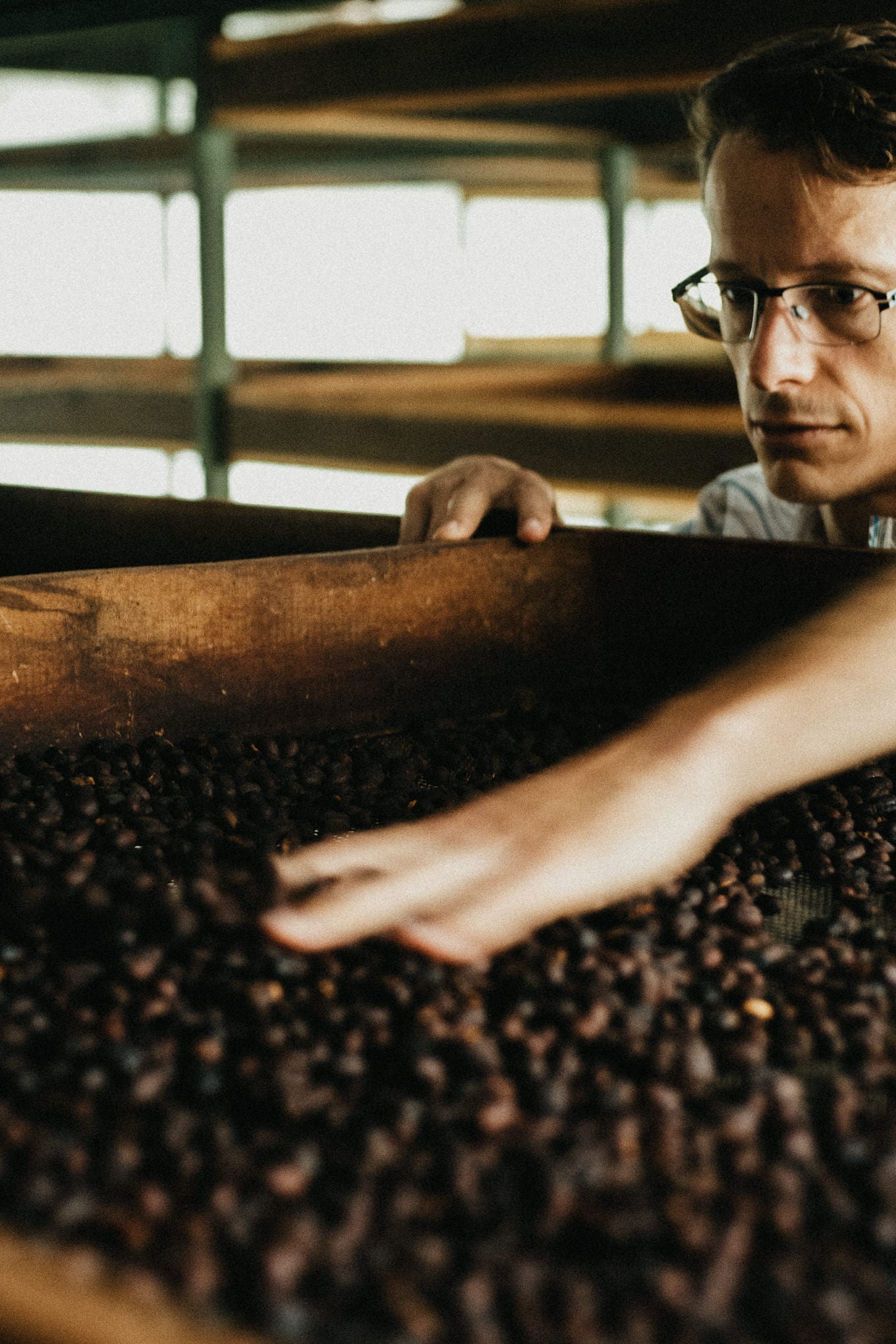
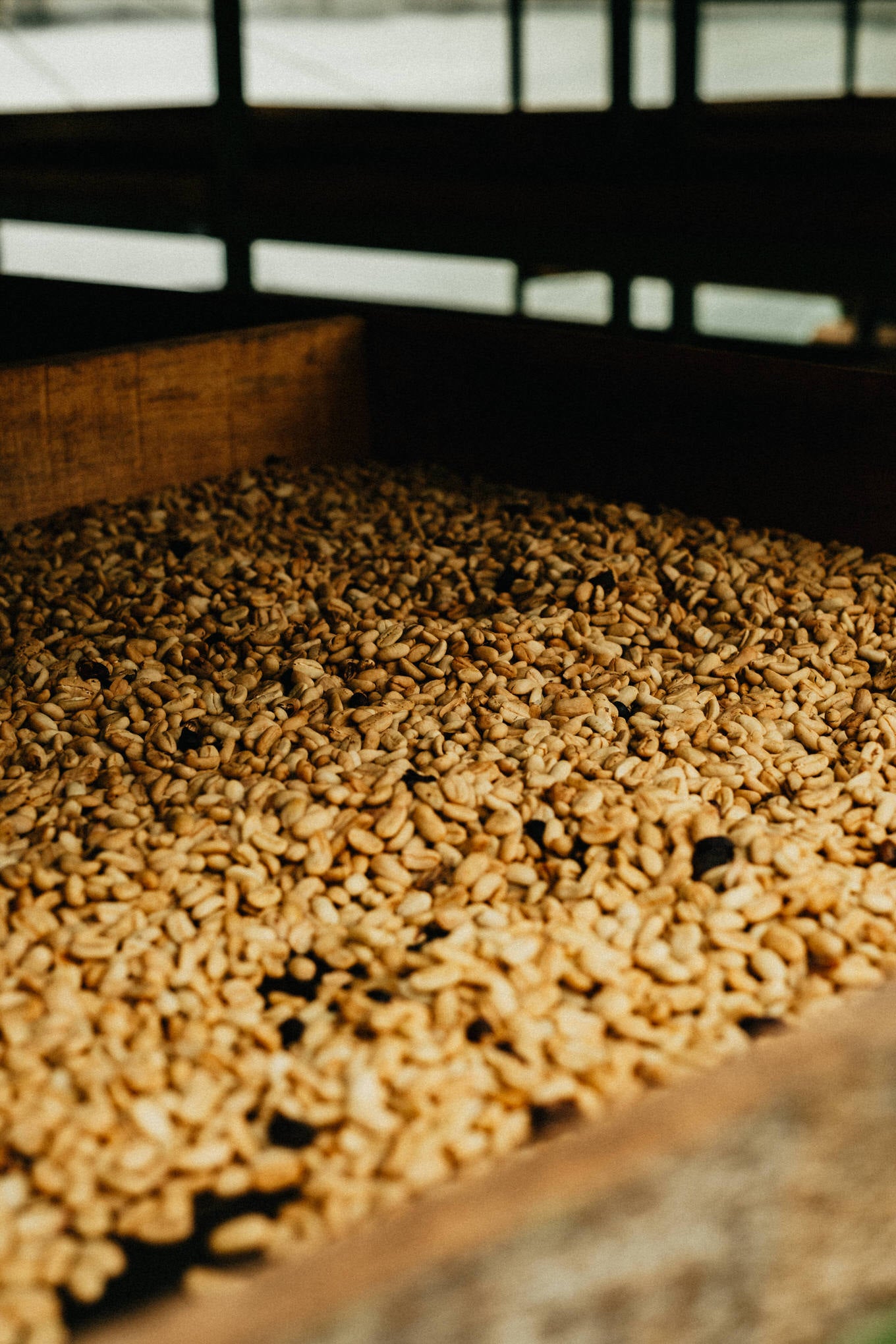
Carbonic maceration is an experimental method borrowed from winemaking, where whole grapes are fermented in a sealed, oxygen free tank. In coffee, whole ripe cherries are placed in a sealed vessel flushed with carbon dioxide, so fermentation begins inside the intact fruit before any pulping, washing, or drying takes place. That carbon dioxide atmosphere is the heart of the technique, changing the way sugars and acids develop and letting the producer steer the flavours with real precision. It is slow, demanding, and easy to get wrong, but when it comes together it pushes a coffee towards vivid, juicy, wine like fruit that can be strikingly intense.
Brewing recipes
Simple ways to brew with SOLO & SOLO SPIN

SOLO
This is the classic pour-over style.
You control the brew through your pouring technique, water temperature, and flow speed.
Each pour helps guide the extraction, from soaking the coffee evenly at the beginning to building sweetness in the middle and finishing clean at the end.
This method is best when you want a clean, balanced cup with direct control over the pour.
Best for a clean, balanced cup with direct control over the pour.
SOLO SPIN
This is a hybrid brewing style.
SOLO SPIN uses a valve to control when the coffee is soaking and when it is draining.
When the valve is closed, the coffee stays in contact with the water, like immersion brewing.When the valve is open, the water flows through the coffee, like percolation brewing.
This method gives you more control over contact time, sweetness, body, and clarity.It is best when you want a consistent, balanced cup with both the roundness of immersion and the clean finish of pour-over.
Best for a consistent, balanced cup — the roundness of immersion with the clean finish of pour-over.
SOLO
SOLO POUR OVER METHOD
A simple, clean, repeatable pour over. Coffee extracts in stages, so each pour has a job.
- First pourHelps water reach all the coffee evenly.
- Middle poursBuild sweetness, body, and balance.
- Final pourKeep it gentle to avoid bitterness, dryness, and heavy flavors.
The goal is not to push extraction harder. It is to keep the cup sweet, clean, and structured.
3 POUR EXTRACTION
Best for a clean, sweet, and balanced cup.
- 0:00Pour 80 g93°CWet all the grounds evenly. No dry spots.
- 0:40Pour 80 g93°CBuilds sweetness and balance.
- 1:20Pour 80 g85°CPour gently and let the brew finish naturally.
4 POUR EXTRACTION
Best when you want more body and structure.
- 0:00Pour 60 g93°CFully soak all the coffee.
- 0:30Pour 60 g93°CHelps build sweetness.
- 1:00Pour 60 g93°CDevelops body and structure.
- 1:30Pour 60 g85°CKeep this pour gentle and centered.
8G DOSE EXTRACTION
For rare, expensive, or limited coffees. A smaller cup, same idea.
- 0:00Pour 40 g93°C
- 0:40Pour 40 g93°C
- 1:20Pour 40 g85°C
- 0:00Pour 30 g93°C
- 0:30Pour 30 g93°C
- 1:00Pour 30 g93°C
- 1:30Pour 30 g85°C
SOLO SPIN
SOLO SPIN BREW METHOD
SOLO SPIN gives you more control, combining immersion and percolation in one brewer.
- Valve closedThe coffee is soaking. Immersion helps water reach the coffee evenly.
- Valve openThe coffee is draining. Percolation keeps the cup clean and clear.
The result is a sweet, balanced, and consistent brew.
TWO PHASE MOISTURE EXTRACTION
Jackie's competition recipe. Simple, consistent, and forgiving. Penetration, then development.
- 0:00Close valve · 100 ml94°CLet the coffee soak so water reaches every particle.
- 1:00Open valveLet it fully drain.
- 1:20Close valve · 100 ml80°CSoak again. Development builds sweetness, texture, and clarity.
- 2:20Open valveLet it fully drain.
PIP EXTRACTION
Percolation · Immersion · Percolation. A clean, sweet, expressive cup.
- 0:00Valve open · 50 ml80°CFirst percolation opens the coffee for aroma and clarity.
- 0:30Close valve · 100 ml94°CImmersion. Builds sweetness, body, and balance.
- 1:00Open valve · 50 ml80°CFinal percolation. Drain fully for a clean finish.